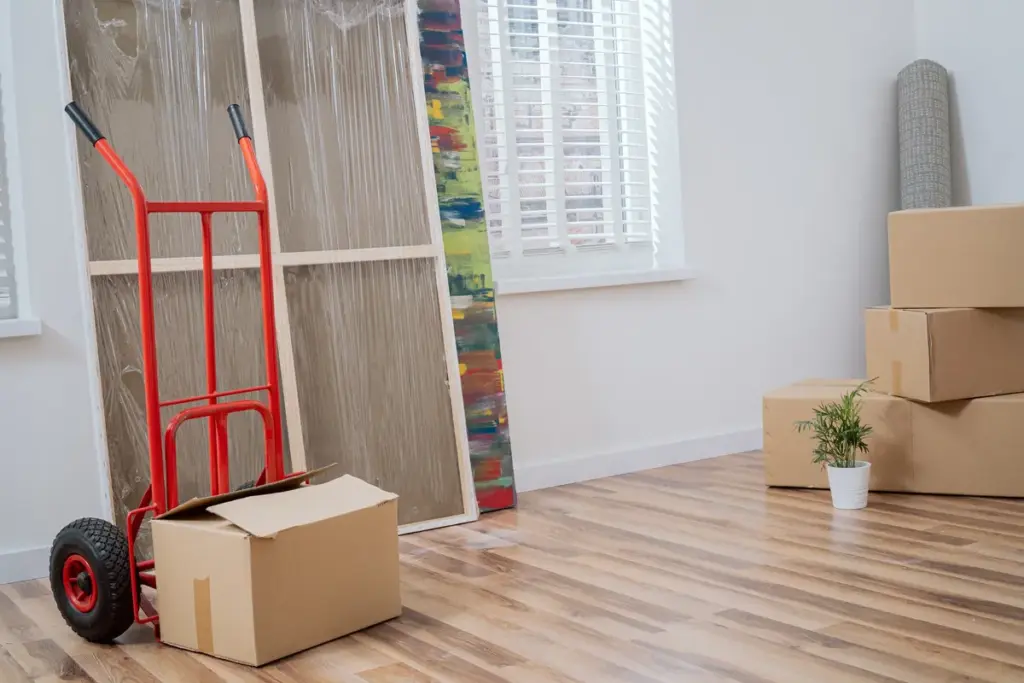
When people start thinking about furniture removal NYCthey almost always come in with a head full of assumptions, and most of those assumptions are wrong. Some think it’ll cost a fortune. Others assume they can handle a bulky sectional on their own. A few believe the city will just take care of it if they leave stuff on the curb. The reality is messier, more nuanced, and honestly, a lot more manageable once you know what’s actually true.

Myth #1: “I Can Just Leave It on the Curb and the City Will Handle It”
This is probably the most common misconception floating around New York apartments. Yes, the Department of Sanitation does pick up bulk items, but there are rules, scheduling requirements, and size restrictions that most people don’t bother reading until they’ve already dragged a sofa down four flights of stairs.
Leave a couch out on the wrong night, and it sits there for days. Leave it without a scheduled pickup, and you might be looking at a fine. And if you’re dealing with a full apartment cleanout or multiple large pieces, the city’s bulk pickup system simply wasn’t designed for that kind of volume. A full apartment furniture cleanout in NYC requires a completely different approach, one that actually accounts for logistics, timing, and the sheer number of items involved.
The curb myth sounds convenient. It rarely plays out that way.
Myth #2: “Hiring a Removal Service Is Always Expensive”
People hear “professional removal” and immediately picture a bill that rivals a month’s rent. That fear keeps a lot of New Yorkers stuck living around furniture they don’t want, in apartments that feel cramped and cluttered.
The truth is that professional hauling services are often more affordable than people expect, especially when you factor in what the alternatives actually cost. Renting a truck in NYC is not cheap. Paying for parking, fuel, a storage facility, and the physical toll of moving heavy furniture through narrow hallways? That adds up fast. And that’s before you consider the very real risk of injury or damage to your building.
Many customers who’ve used NYC Furniture Removal have said afterward that they wished they’d called sooner, that they’d spent weeks dreading the cost, only to find the actual price was completely reasonable. That kind of relief is worth something.
If you want a clearer picture of what to expect before you book anything, the essential checklist for a hassle-free removal breaks it down in plain terms.

Myth #3: “All Furniture Just Gets Dumped in a Landfill Anyway”
This one is understandable, skepticism about where your old stuff actually ends up is fair. But it’s not accurate, at least not when you’re working with a reputable service.
A significant portion of removed furniture gets donated to local organizations, resold, or recycled. Solid wood pieces, metal frames, and intact upholstered items often have a second life somewhere. Responsible haulers sort through what they collect and divert as much as possible from landfills. It’s not just good ethics, it’s increasingly the standard that customers expect and that good operators deliver.
If environmental impact matters to you, it’s worth asking any service you hire what their disposal process looks like. The answer will tell you a lot about who you’re dealing with.
Myth #4: “Moving Big Furniture Out of a NYC Apartment Is Straightforward”
Anyone who has tried to move a king-sized bed frame through a pre-war hallway knows this myth is pure fiction. New York City apartments are built in ways that make furniture removal genuinely difficult, narrow doorways, tight stairwells, no-elevator buildings, strict co-op rules about moving hours, and service elevator reservations that need to be booked days in advance.
Then there’s the street-level reality: double-parked trucks blocking access, building management that wants everything done in a two-hour window, and neighbors who are not thrilled about a couch being maneuvered past their door at 9 a.m. on a Saturday.
This city has its own set of complications that don’t exist anywhere else. Experienced crews who work these neighborhoods regularly know how to handle them, which buildings have freight elevator requirements, which blocks have loading restrictions, and how to move a sectional through a doorway that seems physically impossible. That local knowledge is genuinely valuable, and it’s something you simply don’t get when you try to wing it yourself.
Myth #5: “Any Time Is a Good Time to Get Rid of Old Furniture”
Timing actually matters more than most people realize. The end of the month in NYC is a logistical nightmare, moving trucks everywhere, building elevators booked solid, and removal services stretched thin. If you’re planning a cleanout, scheduling even a week or two ahead can make the entire experience smoother and sometimes cheaper.
Seasonal timing plays a role too. People who plan their cleanouts thoughtfully, rather than scrambling when they’re already mid-move, consistently report better experiences. You get more scheduling flexibility, crews have more time to handle items carefully, and there’s less pressure on everyone involved.
The bottom line is that getting rid of old furniture in New York doesn’t have to be the stressful, expensive ordeal people assume it will be. Most of the friction comes from bad information, not the process itself. Once you know what’s actually involved, and work with people who do this every day, it’s a much simpler job than the myths suggest.
Frequently Asked Questions
What actually happens if I leave furniture on the curb without scheduling a bulk pickup with the city?
Without a scheduled pickup through the Department of Sanitation, your furniture can sit on the sidewalk for days, and you could end up with a fine. The city’s bulk pickup system also has size restrictions and isn’t set up to handle multiple large pieces from a full apartment cleanout, so it’s not a reliable option if you’re dealing with more than one or two items.
Is renting a truck and doing it myself actually cheaper than hiring a removal crew?
Not usually, once you add it all up, truck rental, fuel, parking, and potentially a storage facility if you can’t drop everything in one trip. There’s also the physical risk of moving heavy furniture through narrow NYC hallways yourself, plus the possibility of damaging your building, which can cost you more than the removal job would have.
How do I know my old furniture won’t just end up in a landfill?
Ask the service directly what their disposal process looks like, a reputable hauler should be able to tell you clearly. Solid wood pieces, metal frames, and intact upholstered items are commonly donated to local organizations, resold, or recycled, and responsible operators sort through what they collect to divert as much as possible from landfills.
What makes moving furniture out of a NYC apartment so much harder than people expect?
Pre-war hallways, narrow doorways, buildings without elevators, co-op rules about moving hours, and service elevator reservations that need to be booked days in advance all create complications that don’t exist in most other cities. Crews who work these neighborhoods regularly already know which buildings have freight elevator requirements and which blocks have loading restrictions, that local knowledge saves a lot of time and headaches.
When is the worst time to schedule a furniture cleanout in NYC, and why does it matter?
The end of the month is the hardest time, building elevators are booked solid, moving trucks are everywhere, and removal services are stretched thin. Scheduling even one or two weeks ahead gives you more flexibility, often better pricing, and crews who aren’t rushed, which means your items get handled more carefully.