
When people finally decide to get rid of an old upright or grand piano, they usually picture a couple of guys showing up, lifting it out, and calling it a day. But anyone who’s actually gone through piano removal in NYC knows the reality is a lot more complicated, and a lot more physical, than that. This is one of those jobs where the details matter enormously, and skipping over them can turn a simple cleanout into a very expensive, very stressful afternoon.
Your Piano Weighs More Than You Think It Does
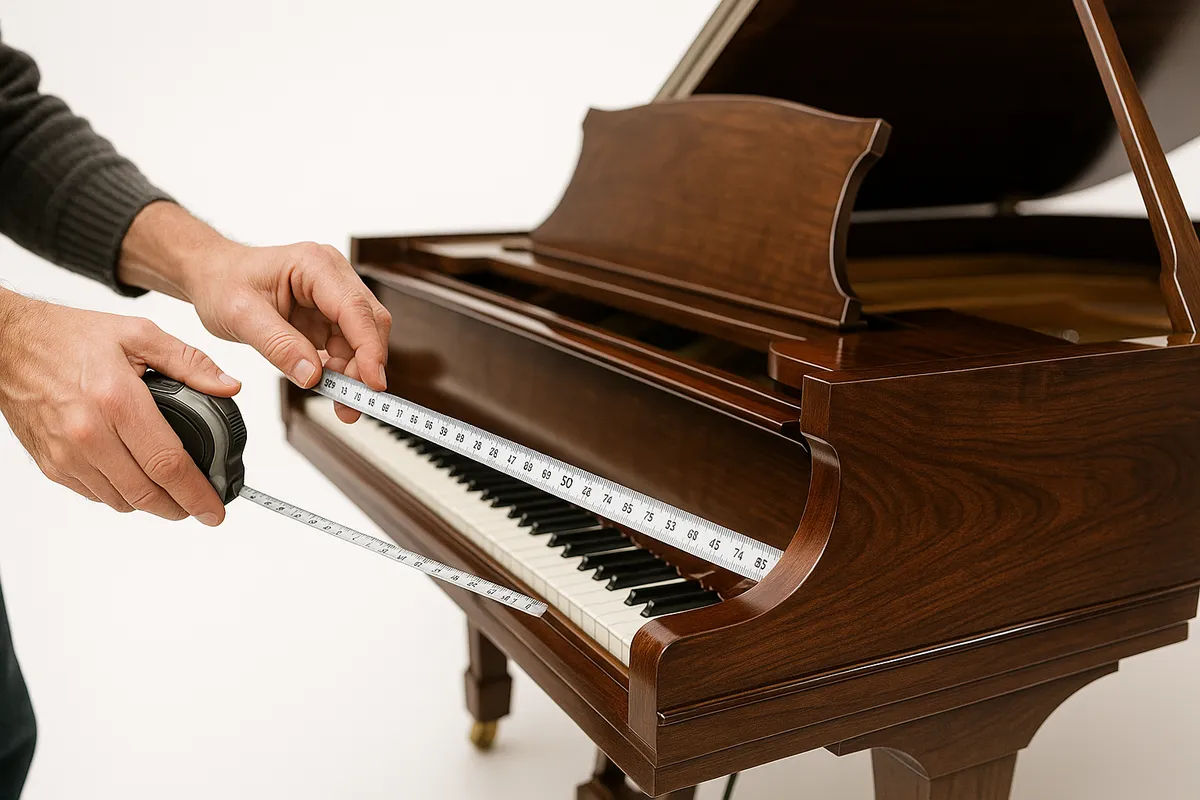
This sounds obvious, but it genuinely catches people off guard. A standard upright piano can weigh anywhere from 400 to 800 pounds. A baby grand? You’re often looking at 500 to 1,000 pounds depending on the manufacturer and age. And a full concert grand can push past 1,200 pounds.
Now picture that weight inside a pre-war Manhattan apartment with a narrow staircase, a 90-degree turn in the hallway, and an elevator that might not fit it. That’s the reality for a huge portion of New York City homes. The city’s older building stock, brownstones in Brooklyn, walk-ups in Queens, railroad apartments in the Bronx, was simply not designed with piano removal in mind.
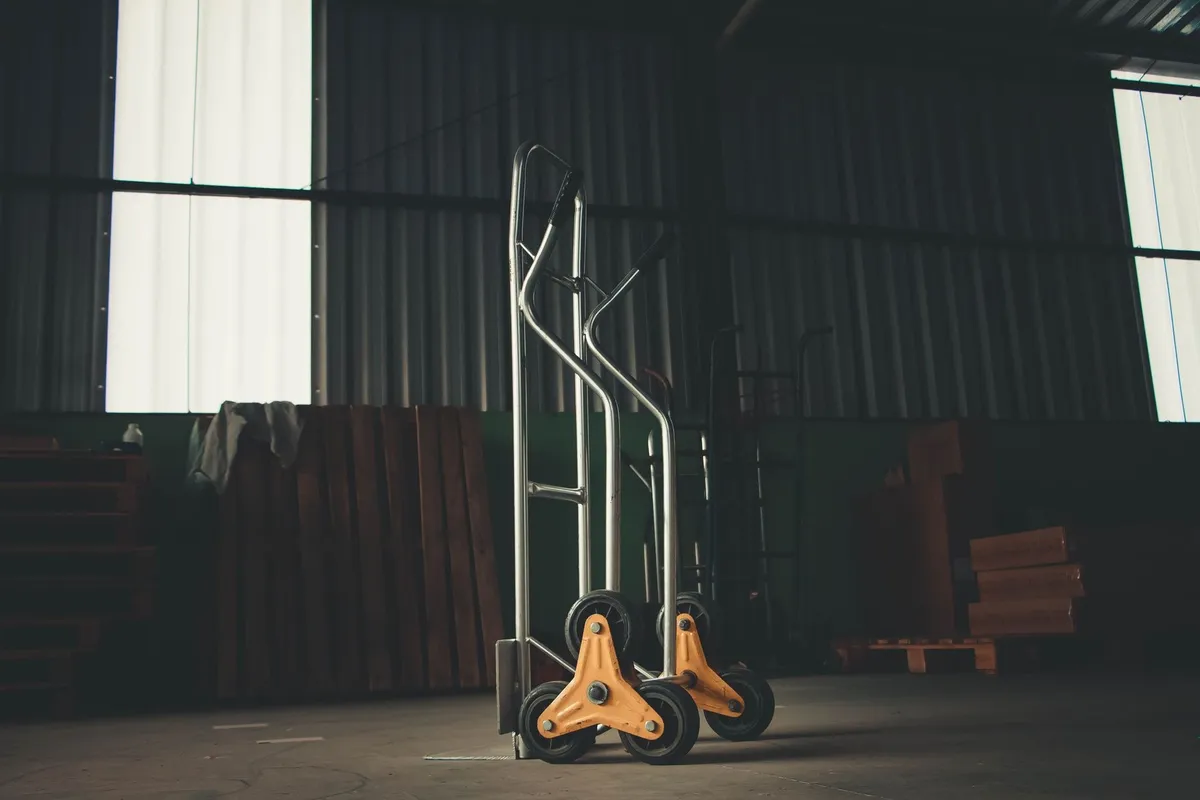
This is why you should never assume a general moving company can handle this the same way they’d handle a couch or a dining table. Pianos require specialized equipment: furniture dollies rated for extreme weight, heavy-duty straps, and in some cases, rigging equipment if the instrument needs to go out a window or down a fire escape. Yes, that actually happens here. The physical challenges of moving large items in NYC buildings are genuinely unlike anywhere else in the country.
The Donation Route Isn’t Always the Easy Way Out
A lot of people assume they can simply donate their old piano to a school, church, or community center and avoid the hassle of paying for removal. It’s a generous instinct, and sometimes it works out perfectly. But more often than not, organizations that accept piano donations have strict requirements about the instrument’s condition, and most pianos that have been sitting untouched in an apartment for 15 years don’t meet them.
Pianos go out of tune quickly when neglected. The soundboard can crack. Keys stick. Felt deteriorates. A piano that looks fine to an untrained eye might be considered unplayable by a music program that needs instruments their students can actually learn on. Many schools and nonprofits have stopped accepting piano donations altogether because the cost of tuning, repairing, and transporting them often outweighs the benefit.
If you’re set on donating, call ahead and be honest about the piano’s condition before you arrange anything. Getting a firm “yes” in advance will save you from a last-minute scramble. And if the donation falls through, have a backup plan ready, because you’ll still need someone to come get it.
Timing and Building Access Can Make or Break the Job
In NYC, getting a large item out of a residential building isn’t just a physical challenge, it’s a logistical one. Many co-ops and condos require advance notice before any large removal job, and some buildings have specific move-out windows, usually on weekdays during business hours. If you book a crew without checking your building’s rules first, you could end up rescheduling at the last minute.
Parking is another real issue. A removal crew needs to get a truck close to your building, and in dense neighborhoods like the Upper West Side, Astoria, or Park Slope, street parking is rarely guaranteed. Some jobs require a temporary parking permit from the city’s Department of Transportation, which takes time to arrange. A good removal company will walk you through this ahead of time, if they don’t mention it at all, that’s a red flag.
NYC Furniture Removal has handled enough of these situations across all five boroughs to know that preparation is everything. Customers who’ve worked with experienced local crews consistently say the same thing: the job went smoothly because the team showed up knowing exactly what to expect, not figuring it out on the fly.
If you want a clearer picture of what the process looks like from start to finish, including what factors drive the price up or down, this breakdown of piano removal costs and what to expect covers it in detail.
What Happens to the Piano After It Leaves Your Apartment
This is the question most people forget to ask. Once the instrument is out the door, where does it actually go? The answer depends entirely on who you hire.
A reputable removal company will assess whether the piano has any resale or donation value and route it accordingly. Instruments in decent shape might go to a reseller, a music organization, or a private buyer. Pianos that are truly beyond use, heavily damaged, structurally compromised, or simply too old to repair economically, will typically be broken down and disposed of, with metal components recycled where possible.
What you want to avoid is a crew that just dumps everything in a landfill without a second thought. Ask upfront what their disposal process looks like. A company that takes this question seriously and gives you a real answer is one that takes the job seriously overall.
Getting rid of a piano in New York City is genuinely one of the more complex removal jobs a homeowner or renter can face. The weight, the building constraints, the logistics, the disposal, every piece of it requires more thought than most people give it before they pick up the phone. Go in informed, and the whole thing becomes a lot more manageable.
Frequently Asked Questions
How much does an upright piano actually weigh, and why does that matter for getting it out of my apartment?
A standard upright piano typically weighs between 400 and 800 pounds, and a baby grand can run anywhere from 500 to 1,000 pounds depending on the age and manufacturer. That kind of weight in a pre-war walk-up with a narrow staircase and a 90-degree hallway turn is a completely different problem than moving a heavy piece of furniture, it requires specialized dollies rated for extreme weight, heavy-duty straps, and sometimes rigging equipment if the piano has to go out a window or down a fire escape. General moving companies are not set up for this the way a dedicated removal crew is.
My building is a co-op, do I need to do anything before scheduling a crew to come take the piano?
Yes, and skipping this step is one of the most common ways people end up rescheduling at the last minute. Many co-ops and condos require advance notice before any large removal job, and some only allow move-outs during specific windows, usually weekday business hours. Check your building’s rules before you book anyone, not after.
What are the real chances a school or church will actually take my old piano as a donation?
Honestly, lower than most people expect, many schools and nonprofits have stopped accepting piano donations altogether because the cost of tuning, repairing, and transporting them often outweighs the benefit to them. A piano that’s been sitting untouched in an apartment for 15 years may have a cracked soundboard, stuck keys, and deteriorated felt that makes it unplayable for students. If you want to try the donation route, call ahead and be upfront about the condition, and have a backup removal plan ready in case they say no.
What happens with parking when the removal crew shows up to a dense neighborhood like Astoria or Park Slope?
Getting a large truck close to your building in a neighborhood with tight street parking is a real logistical problem, not just a minor inconvenience. Some jobs require a temporary parking permit from the city’s Department of Transportation, which takes time to arrange in advance. If a removal company doesn’t bring up parking at all when you’re booking, that’s worth treating as a warning sign.
Where does the piano actually end up after the crew takes it away?
It depends on who you hire and what shape the instrument is in, pianos in decent condition might go to a reseller, a music organization, or a private buyer, while ones that are structurally compromised or too far gone to repair economically get broken down and disposed of, with metal components recycled where possible. What you want to avoid is a crew that hauls everything straight to a landfill without giving it a second thought. Ask the company directly what their disposal process looks like before you book, and pay attention to whether they give you a real answer or a vague one.