
Anyone who has attempted furniture removal in NYC knows it’s a completely different beast from hauling a couch out of a suburban ranch house. There’s no driveway, no garage, no wide-open space to maneuver a sectional through. What looks like a straightforward job on paper turns into a logistical puzzle the moment you’re staring down a narrow hallway in a pre-war building with a 400-pound sleeper sofa and zero wiggle room. New Yorkers deal with a specific set of obstacles that most people in the rest of the country simply never encounter, and knowing what those obstacles are ahead of time can save you a serious headache.
When the Building Itself Becomes Your Biggest Obstacle
New York City’s housing stock is old. Beautifully old, in many cases, but old. Pre-war apartment buildings were not designed with modern furniture dimensions in mind. Doorways that measure 28 inches wide, stairwells that spiral at odd angles, and freight elevators that require advance booking with the super are standard features across Manhattan, Brooklyn, and the Bronx.
Then there’s the elevator situation. Many buildings have strict rules about when you can use the service elevator, usually a narrow window on weekday mornings, and if you miss that slot, you’re waiting. Some buildings require a certificate of insurance from any outside crew before they’ll even allow them through the lobby. That’s a document many casual haulers and Craigslist movers simply don’t carry.
Walk-up buildings add another layer entirely. A fifth-floor walkup with a king-size bed frame isn’t just physically demanding, it’s a safety issue if the crew isn’t experienced. Professionals who work regularly in NYC buildings know how to disassemble pieces on-site, protect stairwell walls from damage, and work within tight building rules without creating problems for the tenant.
Street Access Is Never Guaranteed
Even once you get the furniture out of the building, the street presents its own complications. Parking in NYC is notoriously difficult, and a removal truck needs to be close enough to load efficiently. That means coordinating with the city for a parking permit in many cases, something most people don’t realize is even an option until they’re watching a removal crew circle the block for 40 minutes.
Double-parking is technically possible but comes with risk, especially on busy commercial streets. In dense neighborhoods like Astoria, Williamsburg, or the Upper West Side, a truck blocking a lane during peak hours can create real friction with neighbors, other drivers, and occasionally the NYPD. Experienced local crews know which streets are workable and which ones require a permit request in advance. That local knowledge is genuinely worth something.
Timing matters too. Sanitation rules in the city dictate when bulk items can be placed at the curb, and leaving a sofa out at the wrong time can result in a fine. If you’re doing a larger cleanout, say, clearing out an entire apartmentcoordinating that with street access and building rules simultaneously takes real planning.

The Hidden Weight of Specialty Items
Not all furniture is created equal, and in New York City, people accumulate some genuinely heavy and awkward pieces. Pianos are the obvious example, a classic upright can weigh 600 pounds and requires specialized equipment and expertise to move safely. Piano removal in NYC is its own category of service for good reason.
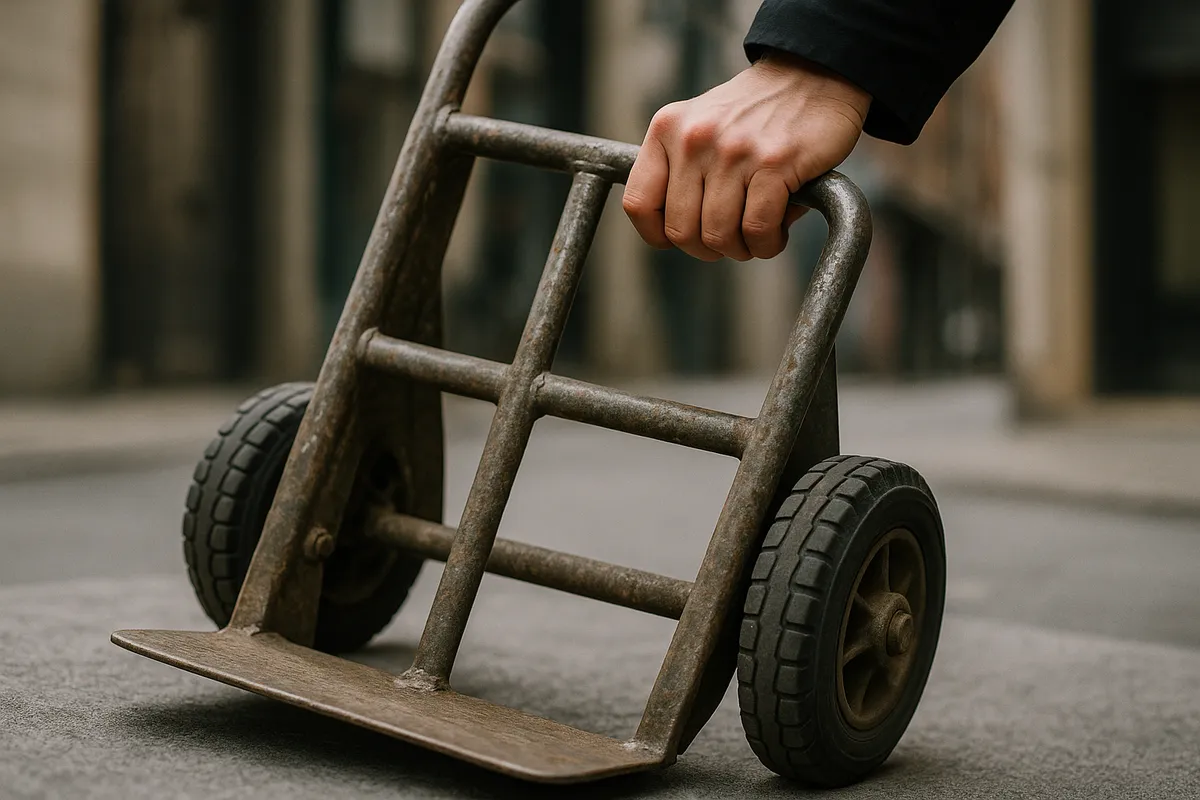
Marble-topped dining tables, solid wood armoires from the 1940s, cast iron bed frames, these items don’t just require muscle. They require the right dollies, straps, and padding, plus a crew that knows how to distribute weight on a staircase without putting someone’s back out or gouging a wall. Customers who have worked with NYC Furniture Removal often mention how relieved they were to have a crew that actually knew what they were doing with heavy, awkward pieces, no guesswork, no damage, no drama.
Mattresses are another underestimated challenge. New York State has specific disposal regulations around mattresses, and you can’t simply leave them on the curb the way you might in other states. A crew that understands local disposal rules will handle this correctly without you having to research it yourself. If you’re dealing with mattress disposal specifically, it’s worth understanding what the process actually involves before you schedule anything.
The Coordination Problem Nobody Talks About
In a city where everyone is busy and schedules are tight, the coordination required for a furniture removal job is genuinely more complex than most people anticipate. You’re not just scheduling a crew, you’re potentially coordinating with your building’s management office, reserving the freight elevator, confirming street access, arranging for proper disposal or donation drop-off, and making sure someone is home during the pickup window.
For people who are relocating, the pressure is even higher. If you’re moving out of an apartment and need the space cleared before your lease ends, a missed or botched removal job creates a cascade of problems. Deposits get withheld. Landlords get irritated. New tenants get delayed.
The crews that work best in this city are the ones who communicate clearly, show up when they say they will, and handle the unexpected without making it your problem. That reliability, which sounds basic but is surprisingly rare, is what separates a smooth job from a stressful one. New Yorkers don’t have time for crews that show up three hours late or call to reschedule the morning of.
The city demands a level of preparation and professionalism that other markets simply don’t require. Once you understand the specific obstacles involved, the buildings, the streets, the specialty items, the coordination, you can approach the whole process with realistic expectations and find a team that’s actually equipped to handle it.
Frequently Asked Questions
Do removal crews really need a certificate of insurance just to enter my NYC building?
Yes, and it catches a lot of people off guard, many buildings in Manhattan, Brooklyn, and the Bronx require any outside crew to produce a certificate of insurance before they’re allowed through the lobby. Casual haulers and people found on Craigslist typically don’t carry that document, which can shut down your whole job before it starts. When you’re vetting a crew, ask specifically whether they carry COI and whether they’ve worked in buildings that require it.
What’s the deal with freight elevator reservations, and what happens if I miss the window?
Most buildings only allow the service elevator to be used during a narrow window, usually weekday mornings, and you have to book it with the super in advance. If your crew shows up and that slot is gone, you’re either waiting for the next available time or hauling everything down the stairs, neither is a good option when you’re on a tight schedule. Confirm the elevator reservation before you lock in your removal date, not after.
Can I just leave a mattress on the curb the night before pickup like I would with other bulk items?
No, New York State has specific disposal regulations around mattresses, and leaving one out the wrong way can result in a fine rather than a pickup. A crew that works regularly in the city will already know how to handle mattress disposal correctly without you having to research the rules yourself. If you’re not sure what the process involves, it’s worth looking into before you schedule anything.
How do crews actually manage parking a removal truck in dense neighborhoods like Williamsburg or the Upper West Side?
It depends on the street, experienced local crews know which blocks are workable with a quick double-park and which ones require a city parking permit requested in advance. Without that local knowledge, a crew can spend 40 minutes circling the block, which eats into your time and creates friction with neighbors and other drivers. If your building is on a busy commercial street, ask the crew upfront how they plan to handle truck access.
My building is a fifth-floor walkup, is that actually a safety issue for a removal crew, or just inconvenient?
It’s both, and the article is direct about this: hauling something like a king-size bed frame down five flights without experience is a genuine safety risk, not just a workout. A crew that knows what they’re doing will disassemble pieces on-site, protect the stairwell walls from damage, and distribute weight on the stairs correctly so nobody gets hurt and your building doesn’t charge you for repairs. That’s not something you want to figure out on the fly with an inexperienced crew.